This post addresses the crucial safety implications of handling tars in a live reactor, focusing on the practical rules that keep operators safe.
This is a general safety guide. Assess the situation and choose appropriate PPE and actions based on your workplace’s procedures, local laws, and the risks involved.
1. Dangers of Tar
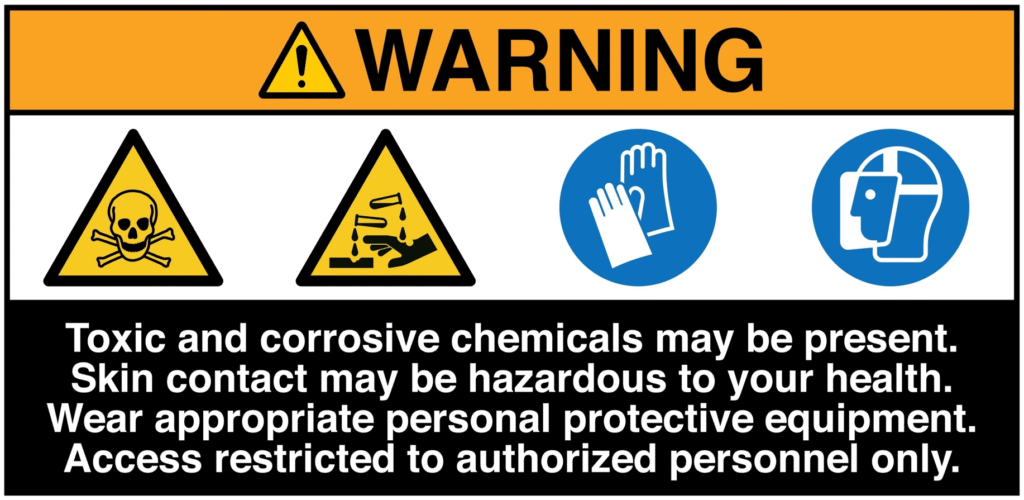
Tars pose three primary risks: dermal exposure, flammability, and inhalation. Understanding these is the first step to staying safe.
2. Critical Safety Rules
– Protect Your Skin: Always wear chemical-resistant gloves and full-body PPE. PAHs are known carcinogens that can be absorbed through the skin. They create a “negative sun lotion” effect, increasing your skin’s sensitivity to UV light and compounding the risk of long-term damage. Always check for tears.
– Use Proper Ventilation: Tars release volatile organic compounds (VOCs), which are hazardous when inhaled. Work in well-ventilated areas, and when needed, enclosed spaces and areas with poor ventilation use a respirator with the correct filter.
– Control Ignition Sources: Be aware of flammability risks. Ensure there are no open flames, sparks, or hot surfaces. A hot work permit may be required. Have appropriate fire suppression equipment on standby if needed and, never assume a work area is free of flammable vapors.
3. Best Practices for Safe Handling
Safety is a proactive mindset. It’s about preparation and action.
– Wear the Right Gear: Beyond gloves, wear appropriate PPE for the task, which may include safety goggles, face shields, and flame-resistant clothing (FRC). Perform a risk assessment before starting the job.
– Establish Clear Procedures: Have a detailed plan for spill containment and disposal. If a leak occurs, activate the emergency shutdown, contain the spill with a designated kit, and dispose of all materials in the hazardous waste container. Conduct regular safety drills and training.
– Diligent Cleanup: After handling tar, clean all tools and surfaces thoroughly using designated solvents. Do not allow residue to accumulate. This prevents cross-contamination and reduces long-term exposure.
4. After the Job: Decontamination and Reporting
The work isn’t done until cleanup is complete and the incident is reported.
– Decontaminate Your Gear: Never take contaminated clothing home. Tars and PAHs can be transferred to your car, home, and family. Follow site procedures for cleaning or disposing of PPE. Contaminated clothing should be stored in a designated area and professionally laundered.
– Report the Incident: If a leak, spill, or exposure occurs, report it immediately. Reporting incidents, near misses, and unsafe conditions is not about blame its an opporunity for learning and improvement.
What safety protocols have you found most critical when dealing with tars? Share your insights below to help us all stay safe.
Beyond the Chemistry: Critical Safety Rules for Handling Tars ⚠️