Biomass

Beyond the Boom: Deflagration vs. Detonation – Why This Distinction is Critical in Biomass Pyrolysis 🔥💥

Following up on the excellent questions from our recent post, let’s dive into a crucial, and often misunderstood, aspect of explosions: the difference between a deflagration and a detonation. While both are dangerous, understanding this distinction is key to protecting our facilities. 1. The “Normal” Explosion: DeflagrationAs we discussed with the “dust explosion pentagon,” a […]

Beyond the Boom: Deflagration vs. Detonation – Why This Distinction is Critical in Biomass Pyrolysis 🔥💥 Read More »

Beyond the Boom: Why Biomass Dust Fires and Flash Fires Are Still a Critical Threat 🔥

Following our discussion on dust explosions, let’s clarify another serious hazard: dust fires and flash fires. While they lack a destructive pressure wave, they are still incredibly dangerous and can precede a catastrophic event. 1. The Critical Distinction: Fire vs. Explosion Remember the “dust explosion pentagon”? – Dust Fire / Flash Fire: Occurs when fuel

Beyond the Boom: Why Biomass Dust Fires and Flash Fires Are Still a Critical Threat 🔥 Read More »

Beyond the Visible: Biomass Dust, A Silent Explosion Risk 💥

Following our discussion on tar, let’s focus on another major hazard in biomass processing: combustible dust. It’s an often-underestimated explosion risk that demands strict attention. 1. Understanding the Dust Explosion Pentagon A dust explosion is a violent reaction created by a specific set of conditions. All five elements of the “pentagon” must be present for

Beyond the Visible: Biomass Dust, A Silent Explosion Risk 💥 Read More »

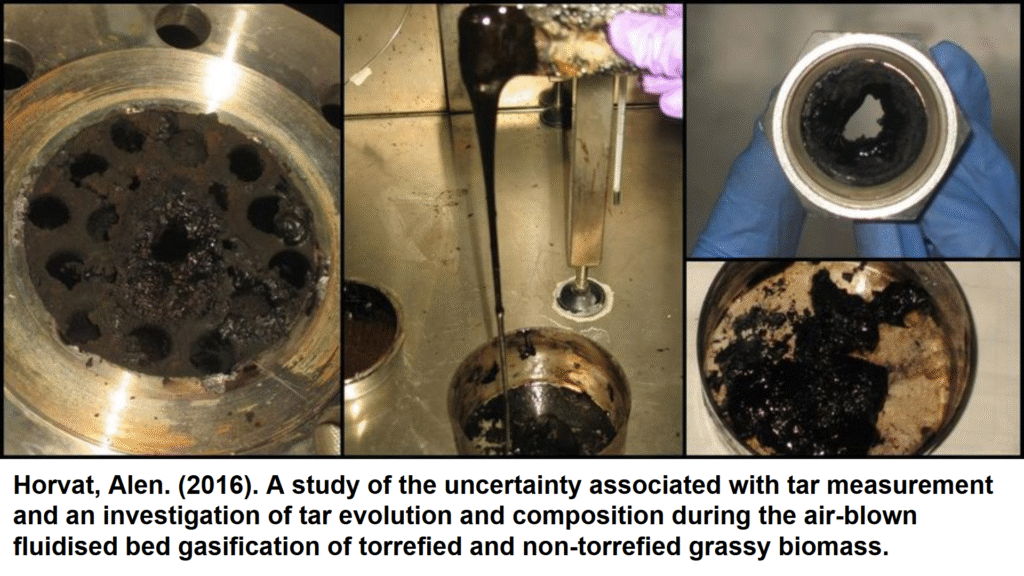
The Operator’s Guide to Tar: Troubleshooting in a Live Reactor

This guide breaks down common tar problems into three categories for effective diagnosis and solutions. 1. 🍃 Feedstock Consistency: The Process FoundationAn unstable feedstock is the most common cause of tar issues. A reactor is a finely tuned system, and any variation in inputs leads to an unpredictable output. – Inconsistent Moisture: Too much moisture

The Operator’s Guide to Tar: Troubleshooting in a Live Reactor Read More »

Beyond Drying: The Hidden Story of Chemical Dehydration in Biomass Pyrolysis

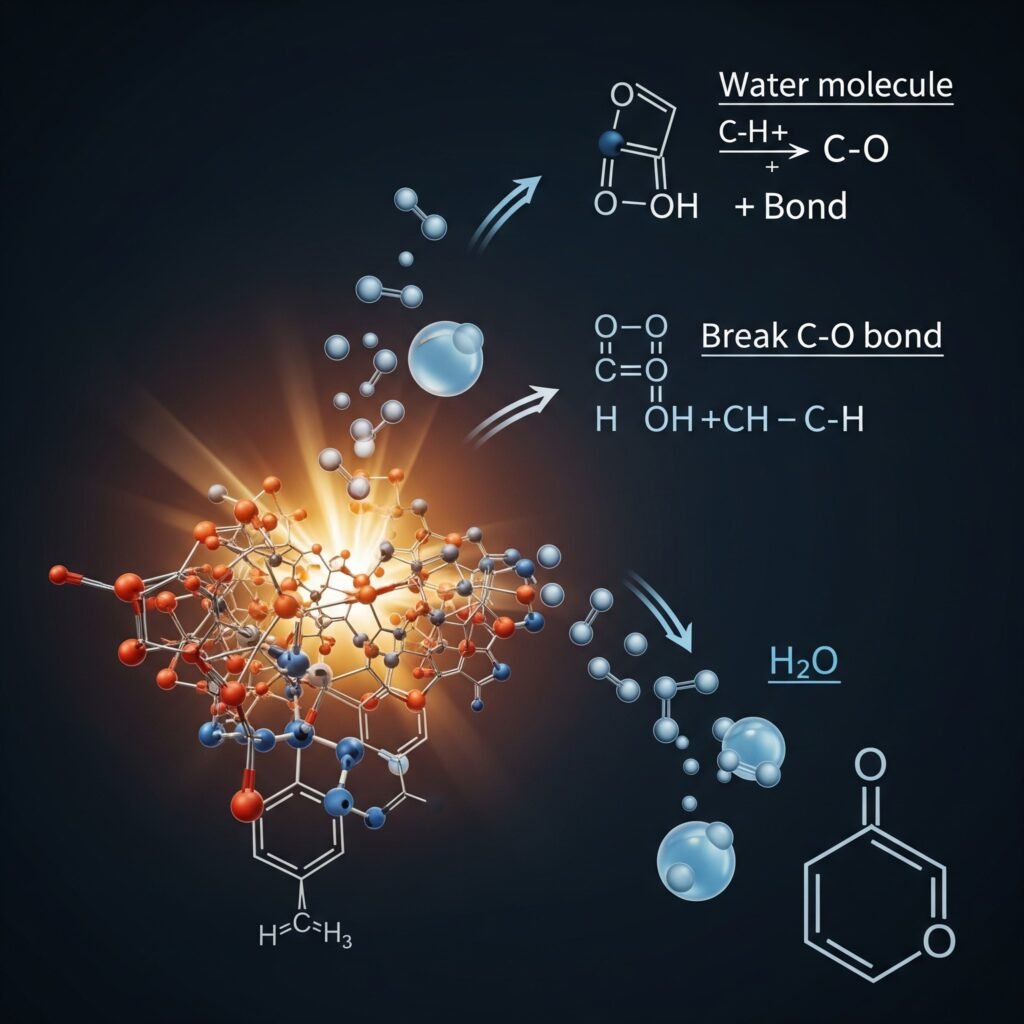
Beyond just “drying,” what happens when biomass creates its own water during pyrolysis? Last week, we discussed the nuances of moisture content and its impact on heat transfer. This week, let’s peel back another layer and dive into chemical dehydration, a fascinating but often overlooked transformation that profoundly shapes your bio-oil, biochar, and syngas. Imagine

Beyond Drying: The Hidden Story of Chemical Dehydration in Biomass Pyrolysis Read More »