

We often rely on a single Moisture Content (MC) value when prepping biomass. This number, however, masks critical seasonal changes that dictate drying efficiency and final product yields. Optimising...

From the science of a dust explosion to the practical controls, we’ve covered a lot. As we close this discussion, here is a final guide for anyone operating a biomass pyrolysis reactor. Remember these...

In Part 1, we covered the robust, human-independent controls: Elimination, Substitution, and Engineering. Now, we move to the final two layers of the safety blueprint, the essential, human-driven...

In our last post, we established that biochar presents a greater hazard than its feedstock. Now, let’s explore the most effective framework for managing that risk: The Hierarchy of Controls. This is...
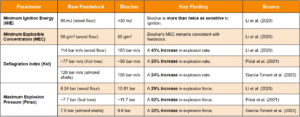
While the combustible nature of biomass dust is well-established, pyrolysis can sometimes increase its explosive properties, something we should keep in mind when doing risk assessments and safety...

“98% of major projects face cost overruns or delays”, today we’ll be looking at what causes these issues and how we can mitigate them...

When it comes to newly installed pyrolysis reactors, the journey from commissioning to optimal performance isn’t always a straight line. Sometimes, even with top-tier equipment, we encounter...
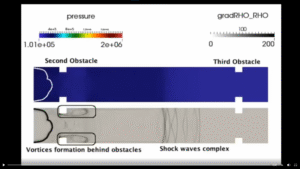
Following up on the excellent questions from our recent post, let’s dive into a crucial, and often misunderstood, aspect of explosions: the difference between a deflagration and a detonation. While...

Following our discussion on dust explosions, let’s clarify another serious hazard: dust fires and flash fires. While they lack a destructive pressure wave, they are still incredibly dangerous...
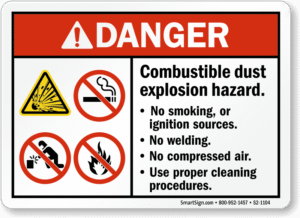
Following our discussion on tar, let’s focus on another major hazard in biomass processing: combustible dust. It’s an often-underestimated explosion risk that demands strict attention. 1...
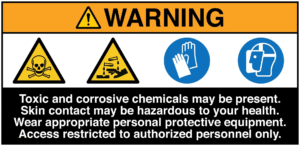
This post addresses the crucial safety implications of handling tars in a live reactor, focusing on the practical rules that keep operators safe. This is a general safety guide. Assess the situation...
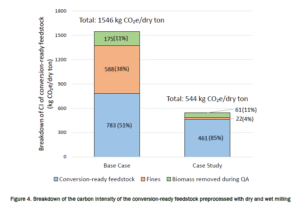
Following up on my last post, let’s dive into the “why” behind the 65% reduction in GHG emissions. Here’s why wet milling makes the dryer so much more efficient: –...

Optimising biomass preprocessing is a critical first step to unlocking the full potential of a pyrolysis unit. Today we are looking at a new study that looks into the GHG impact of wet and dry...

This guide breaks down common tar problems into three categories for effective diagnosis and solutions. 1. 🍃 Feedstock Consistency: The Process FoundationAn unstable feedstock is the most common cause...
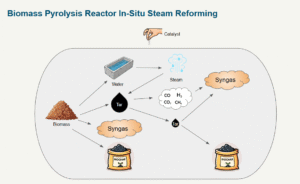
Last week, we unmasked tar as a complex mixture of molecular nightmares. Today, we’re diving into the core chemistry of steam reforming, revealing the intricate processes that clean up your...
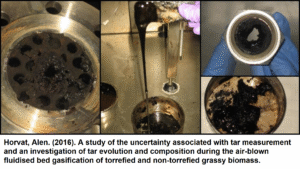
Last week, we explored how in-situ steam acts as a hero in biomass pyrolysis by reforming tars. But what exactly is this “tar” we are trying to reform? The common misconception is that tar...
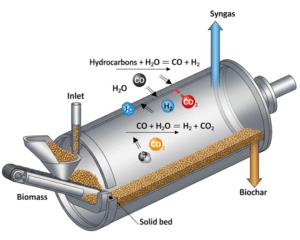
Last time, we revealed how biomass makes its own water during chemical dehydration. But that’s not the end of the story for that steam. It becomes a key player in in-reactor steam reforming...

Beyond just “drying,” what happens when biomass creates its own water during pyrolysis? Last week, we discussed the nuances of moisture content and its impact on heat transfer. This week...
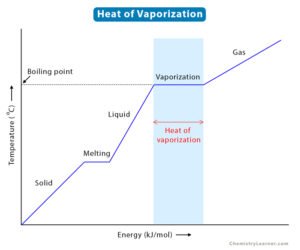
In biomass pyrolysis, the energy story begins with its moisture content. Last week, we discussed how “just dry it more” isn’t a magic bullet for biomass pyrolysis. Many of you shared...

“Just dry it more” isn’t the magic solution everyone thinks it is for biomass pyrolysis. I was reading through some recent research on biomass thermal process optimisation, and it...
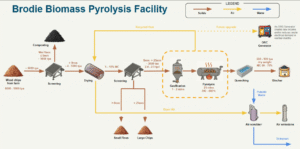
When it comes to pyrolysis, feedstock isn’t just an input; it’s a critical process parameter. I’ve just finished watching Christian Wurzer‘s Green Carbon webinar with Brodie...

Following some interesting discussions on PFAS removal, I wanted to highlight the powerful potential of pyrolysis. Research indicates it can not only destroy these persistent “forever...